
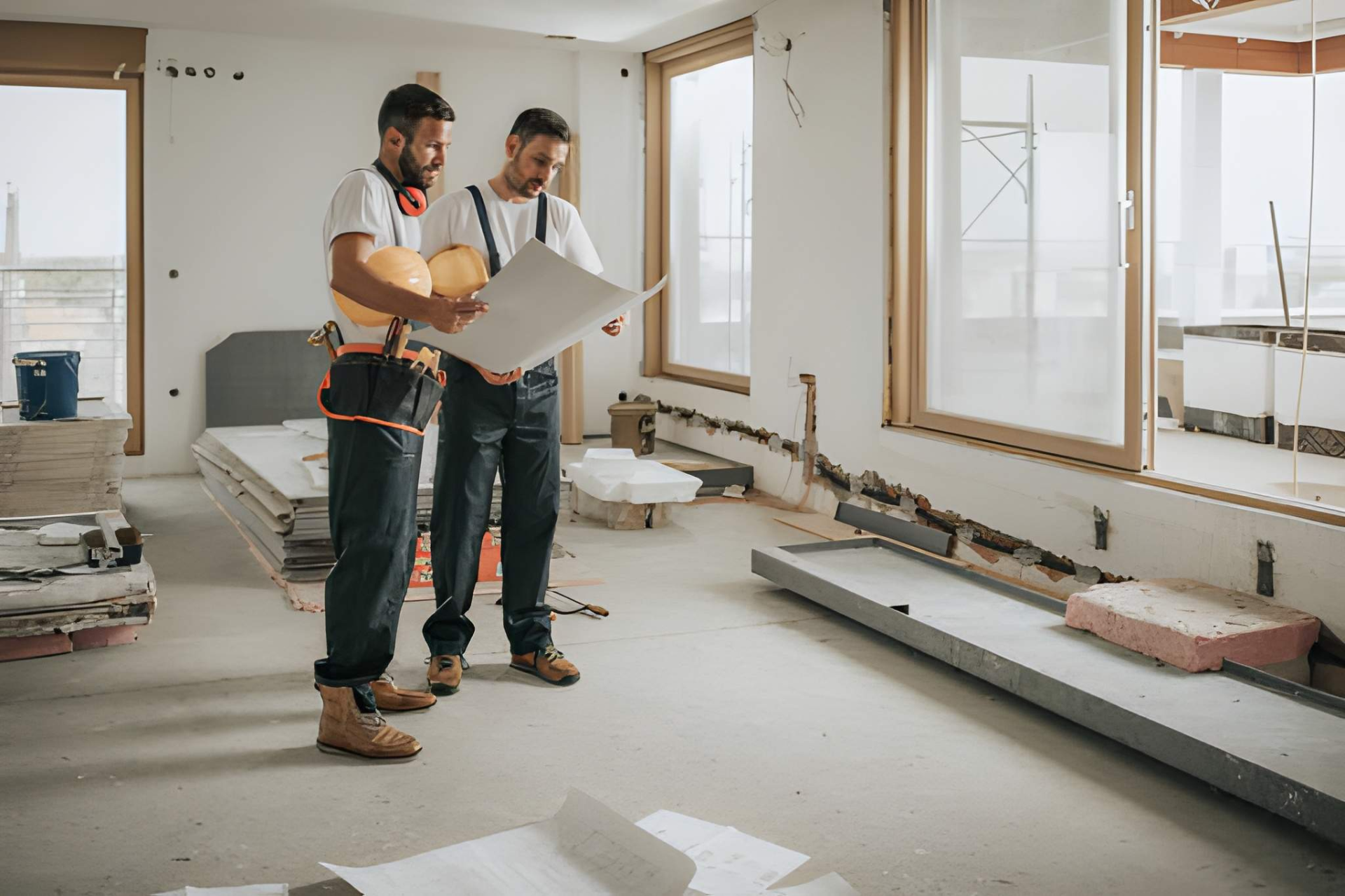
Most renters don’t think much about apartment maintenance until something breaks at the worst possible moment. A leaking sink at midnight. No heat during a cold snap. An AC unit that gives up in the middle of July. Suddenly, “maintenance” becomes very real, very fast.
The truth is, apartment maintenance isn’t just the landlord’s problem. Smart renters know that staying ahead of small issues saves time, avoids stress, and often prevents bigger disputes down the road. This guide isn’t a copy-paste checklist you’ll forget about. It’s a practical, renter-friendly look at apartment maintenance what to watch, what to report, and what you can handle yourself without crossing any lines.
Why Apartment Maintenance Matters More Than You Think
Apartment maintenance affects more than comfort. It impacts safety, health, energy bills, and even your security deposit when you move out. Minor issues like slow drains or loose cabinet hinges might seem harmless, but over time they can turn into expensive problems.
From a renter’s point of view, regular maintenance helps you:
- Catch issues before they worsen
- Keep your living space safe and livable
- Maintain a good relationship with management
- Protect yourself from unfair move-out charges
Good apartment maintenance is less about perfection and more about consistency.
Know the Line: What Renters Handle vs. What Landlords Handle
One of the biggest sources of confusion in apartment maintenance is responsibility. While laws vary by state, the general rule is simple.
Landlords usually handle:
- Plumbing and major leaks
- Electrical systems
- Heating and air conditioning
- Structural issues (walls, ceilings, floors)
- Appliances provided with the unit
Renters usually handle:
- Keeping the unit clean
- Replacing light bulbs and smoke detector batteries
- Reporting problems promptly
- Preventing damage caused by neglect
If you’re unsure, your lease is the first place to check. Never attempt major repairs yourself—doing so can actually make you liable.
Monthly Apartment Maintenance Checks Renters Should Do
You don’t need tools or experience to keep an eye on basic apartment maintenance. A quick monthly walkthrough can prevent surprises.
1. Check for Leaks and Water Damage
Look under sinks, around toilets, and near appliances like dishwashers. Even small drips can lead to mold or warped flooring if ignored.
2. Test Smoke and Carbon Monoxide Detectors
Press this into your routine. If a detector doesn’t work after changing the battery, report it immediately.
3. Watch Drains and Toilets
Slow drains or gurgling sounds are early warnings. Report them early instead of waiting for a full backup.
4. Inspect Doors and Windows
Make sure locks work smoothly and windows open and close properly. This affects both safety and heating efficiency.
Seasonal Apartment Maintenance Tips for Renters
Apartment maintenance isn’t the same year-round. Each season brings different things to watch.
Spring
- Look for signs of pests as weather warms
- Check for water damage from winter storms
- Test AC units before summer heat hits
Summer
- Clean air vents if accessible
- Report weak cooling early
- Watch for humidity-related mold
Fall
- Test heating systems before cold weather
- Seal drafty windows with landlord approval
- Clear balcony or patio drains
Winter
- Watch for frozen pipes
- Report heating issues immediately
- Keep an eye on condensation near windows
Being proactive shows responsibility and helps maintenance teams respond faster.
The Right Way to Report Apartment Maintenance Issues
How you report an issue matters almost as much as reporting it at all.
Be specific.
Instead of “the sink is broken,” say “the kitchen sink leaks from the pipe under the cabinet when the faucet is on.”
Document everything.
Photos and short videos protect you if there’s ever a dispute.
Use official channels.
Maintenance portals, emails, or written requests are better than casual texts or hallway conversations.
Report early.
Delays can turn minor apartment maintenance issues into problems you could be blamed for.
Emergency vs. Non-Emergency Maintenance
Not every issue needs immediate attention, but some absolutely do.
Emergency apartment maintenance includes:
- No heat in winter
- Gas smells
- Flooding or major leaks
- Electrical hazards
- Broken exterior doors or locks
For emergencies, follow your building’s emergency procedure right away. For non-urgent issues, submit a standard maintenance request and allow reasonable time for response.
Apartment Maintenance and Your Security Deposit
Many renters lose part of their deposit due to preventable maintenance-related issues. Normal wear and tear is expected, but damage caused by neglect isn’t.
To protect yourself:
- Report issues as soon as they appear
- Keep records of maintenance requests
- Take move-in and move-out photos
- Don’t ignore small problems hoping they’ll “go away”
Good apartment maintenance habits often mean fewer arguments when your lease ends.
What to Do If Maintenance Requests Are Ignored
If apartment maintenance requests go unanswered, you still have options.
- Follow up in writing with a clear deadline.
- Review local tenant laws many states require timely repairs.
- Contact property management, not just onsite staff.
- Document everything before taking further steps.
Never stop paying rent or attempt major repairs without understanding your legal rights first.
Small Habits That Make Apartment Maintenance Easier
Good maintenance doesn’t require effort it requires awareness.
- Clean spills quickly
- Don’t overload outlets
- Use drain strainers
- Vent bathrooms and kitchens
- Treat the apartment like a shared investment, not a temporary crash pad
These habits reduce problems and show management you’re a responsible renter.
Final Thoughts Apartment Maintenance Is a Renter’s Advantage
Apartment maintenance isn’t about doing the landlord’s job. It’s about protecting your comfort, safety, and money. Renters who stay alert, report issues early, and understand their responsibilities almost always have fewer problems and smoother move-outs.
Think of apartment maintenance as quiet insurance. When everything works, you barely notice it. When something goes wrong, you’ll be glad you paid attention.
If you rent in the U.S., this checklist mindset isn’t optional it’s how smart renters stay one step ahead.
