
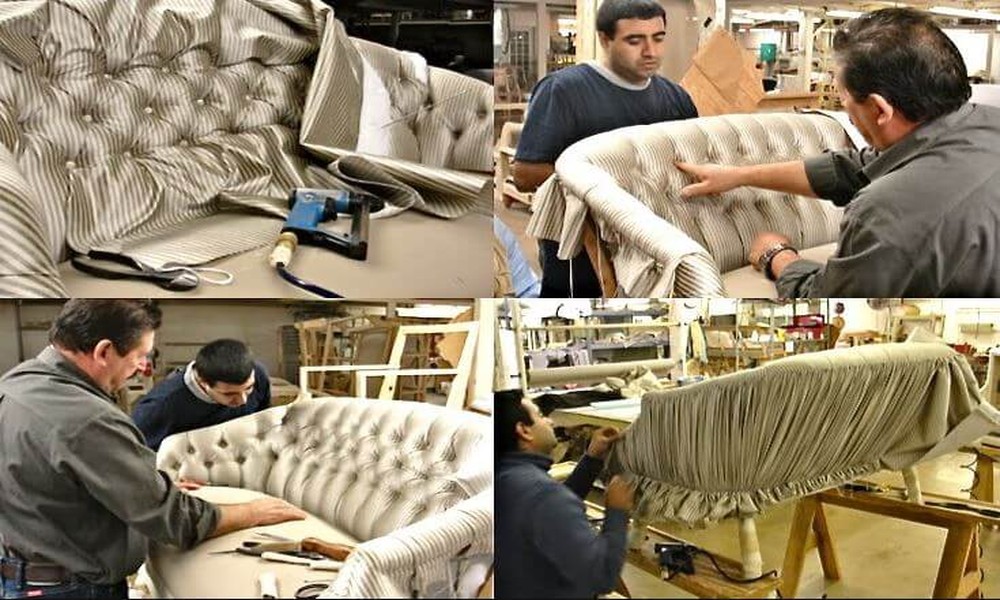
Sofas are often the centerpiece of any living room, offering comfort, style, and personality. However, over time, even the most beloved sofas can look worn, faded, or outdated. Replacing furniture can be expensive, but there’s a cost-effective, creative solution: DIY sofa upholstery. Reupholstering your sofa allows you to breathe new life into your furniture, personalize your interior, and save money, all while enjoying the satisfaction of a hands-on project. If you’re ready to transform your sofa without buying a new one, here’s a complete guide to help you get started.
Assess Your Sofa’s Condition
Before diving into a DIY upholstery project, take a close look at your sofa. Consider the following:
Frame Integrity: Check for any broken or wobbly parts. A solid frame is crucial for a successful reupholstery project.
Cushion Quality: Examine the foam or padding for sagging or damage. Replacing worn cushions can dramatically improve comfort.
Springs and Support: Ensure the springs and support structures are intact. Weak springs may require repair or replacement before adding new fabric.
A sofa in good structural condition is ideal for DIY upholstery. Minor issues can be fixed during the project, but major structural damage may require professional assistance.
Choose the Right Fabric
Selecting the right fabric is one of the most important steps in sofa upholstery. Consider durability, texture, color, and pattern:
Durability: Opt for heavy-duty fabrics like cotton blends, polyester, microfiber, or velvet for high-traffic areas.
Texture: Smooth fabrics like microfiber are easy to clean, while textured fabrics like chenille add warmth and depth.
Color and Pattern: Light colors can brighten a room, but may require more maintenance. Bold patterns can mask stains and give your sofa a fresh, contemporary look.
Maintenance: Consider how easy the fabric is to clean. Removable covers or stain-resistant treatments are ideal for families with children or pets.
Measuring your sofa accurately before purchasing fabric is crucial. Add extra material for seams, tucks, and errors.
Gather the Right Tools
Having the proper tools will make your DIY upholstery project smoother and more professional-looking. Essential tools include:
Staple gun and staples
Scissors or fabric cutter
Screwdrivers and pliers
Upholstery needle and strong thread
Foam padding or batting (if needed)
Measuring tape and chalk or fabric marker
Upholstery tacks or decorative nails (optional)
Keeping tools organized and accessible prevents frustration and helps you stay efficient throughout the project.
Remove Old Fabric Carefully
Start by removing the existing upholstery carefully. Take note of how the old fabric is attached, as this will guide your new installation. Use pliers to pull out staples or tacks and remove any padding if it’s worn out.
Tip: Take photos of each step. This visual reference will make it easier to reattach new fabric in the same way.
Add or Replace Padding
If your cushions or seating areas are sagging, this is the perfect opportunity to replace or add padding. Foam inserts or batting can restore comfort and shape. Ensure the padding is evenly distributed and securely fastened before adding new fabric.
Cut and Attach the New Fabric
With the old fabric removed and padding in place, it’s time to cut your new upholstery fabric. Allow extra inches on all sides for tucking and stapling.
Step 1: Lay the fabric over the sofa and ensure it’s centered and straight.
Step 2: Begin stapling from the center of one side, working your way out toward the corners.
Step 3: Pull the fabric taut to avoid wrinkles but don’t over-stretch, as this can distort the fabric over time.
Step 4: Fold and tuck corners neatly, using additional staples or tacks for a clean finish.
For a professional look, pay extra attention to seams, edges, and curves.
Reattach Sofa Components
Once the fabric is secured, reattach cushions, arms, and any removable components. If your sofa has throw pillows, consider creating matching pillow covers with leftover fabric to complete the refreshed look.
Add Final Touches
Decorative touches like piping, trim, or upholstery nails can enhance the appearance and give your sofa a custom, designer finish. Take a step back and check for evenness, smooth surfaces, and properly aligned seams.
Maintain Your Newly Upholstered Sofa
To keep your refreshed sofa looking great:
Vacuum regularly to remove dust and debris
Rotate cushions to prevent uneven wear
Clean spills promptly with recommended cleaning methods for your fabric
Avoid direct sunlight on sensitive fabrics to prevent fading
Proper care ensures that your DIY upholstery investment lasts for years to come.
Conclusion
DIY sofa upholstery Abu Dhabi is a creative, rewarding way to breathe new life into your living room without the cost of buying a new sofa. By assessing your sofa, choosing the right fabric, and following careful reupholstery techniques, you can achieve a stylish, comfortable, and personalized piece of furniture.
Not only does this approach save money, but it also gives your home a fresh, unique look that reflects your personality and style. With patience, planning, and attention to detail, any sofa can become a statement piece, revitalizing your interior and inspiring your next DIY project.
