
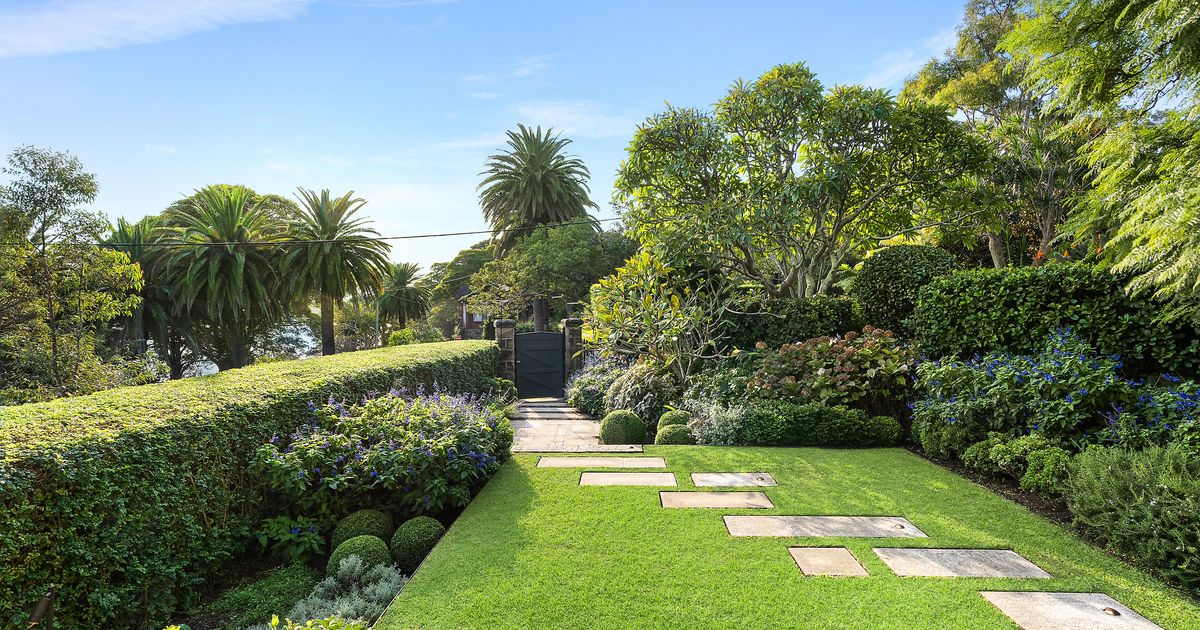
When buyers walk into a garden, there is one feature they react to before they notice planting, paving, or lawn condition. It is the boundary. Estate agents tell me this all the time, and I see it backed up on site visits across York. Buyers might not say the word fence straight away, but they comment on how the garden feels. Private. Open. Tidy. Exposed. Finished. Those impressions come from the boundary first. That is why so many homeowners now start their research with York Fencing before viewings even begin.
From decades working as a fencing contractor, I can say this reaction is instinctive. Boundaries frame the space. They set expectations. A strong, well designed fence suggests the property has been cared for. A tired one suggests future work and future cost.
Why buyers notice boundaries before anything else
A garden boundary is read in seconds. Buyers step outside and subconsciously decide whether the space feels usable.
They notice if the garden feels overlooked. They notice if the fence leans or rattles. They notice mismatched panels or patch repairs.
They may not know fencing jargon, but they understand the message it sends. A solid boundary feels settled. A weak one feels like a problem waiting to happen.
What estate agents hear during viewings
Agents often hear comments like:
- “It feels quite private out here.”
- “You can see straight into the neighbour’s garden.”
- “The fence looks new.”
- “That will need doing.”
Those remarks come early in the viewing. Sometimes before buyers even reach the bottom of the garden.
This is why agents often advise sellers to address fencing before marketing begins.
Why privacy now outweighs security in buyer thinking
Most buyers are not thinking about intruders when they look at a garden. They are thinking about daily life.
Can I sit here without feeling watched. Can the kids play. Can I work outside. Can I relax.
Privacy is a quality of life issue. It affects how the garden will be used every day. Security still matters, but privacy shapes emotional response.
That emotional response influences offers more than people realise.
The difference between a fence that stands and a fence that sells
Many fences stand up just fine but still hurt buyer perception.
Common issues include:
- Panels of different ages and colours
- Posts leaning slightly but consistently
- Gaps at the bottom from soil movement
- Trellis added unevenly for height
None of these make a fence unsafe. All of them make a garden feel unfinished.
Buyers notice this immediately, even if they cannot explain why.
How soil movement quietly affects buyer confidence
York’s clay soil causes slow, subtle movement. Posts shift. Panels settle. Top lines drift.
I usually install posts at around 600mm to 750mm depth to reduce this effect. Older fences often sit shallower and show the signs.
A fence that waves along the top line sends a signal that the ground is unstable, even if that is not strictly true.
Buyers read movement as risk.
Why repairs can actually make things look worse
Repairs are sometimes necessary, but they can backfire visually.
A single new panel next to older ones draws attention. A replaced post highlights the lean of the next one. Fresh fixings stand out against weathered timber.
From a buyer’s point of view, repairs can look like temporary fixes rather than solutions.
This is why estate agents often prefer a consistent fence run over a patched one, even if the patched fence is technically sound.
The visual power of straight lines
Straight lines matter more than most homeowners realise.
A straight fence line frames the garden cleanly. It makes the space feel larger and more intentional. It gives structure to planting and paving.
Once a line starts to wander, the whole garden feels unsettled.
This is one of the first things experienced installers and buyers notice alike.
Fence height and buyer perception
Height plays a role, but it is not about going taller at all costs.
Buyers respond best to fences that feel proportionate. Too low and the garden feels exposed. Too high and it can feel boxed in.
In many cases, buyers prefer a well designed 6 foot boundary over a poorly installed taller one.
Design and stability matter more than raw height.
How modern buyers read fencing materials
Buyers are more aware of materials than they used to be.
They recognise:
- Concrete posts as durable
- Pressure treated timber as longer lasting
- Composite fencing as low maintenance
They also notice cheap panels that have warped or faded unevenly.
Material choice sends a message about how the property has been looked after.
Composite fencing and buyer confidence
Composite fencing has become more visible in recent years, especially in newer developments.
Buyers associate it with low maintenance and long lifespan. They assume less work will be needed after purchase.
Composite fencing cost is higher upfront, but from a buyer’s perspective, that cost has already been absorbed by the seller.
That can make the property feel better value overall.
Why garden fencing affects perceived maintenance burden
Buyers mentally calculate future work. Even if they do not say it out loud, they are adding up jobs.
A tired fence goes straight onto that list. So does a fence that looks close to failing.
A clean, solid boundary removes one item from the mental to-do list, which makes the property feel easier to move into.
The knock on effect on offers
Estate agents will tell you that visible external issues often become negotiation points.
Buyers may not walk away because of a fence, but they may adjust their offer. They may ask for money off. They may delay.
In competitive markets, small perception issues can have outsized effects.
Why early replacement beats last-minute fixes
Some sellers attempt last-minute fixes before viewings. New panels screwed onto old posts. Quick trellis additions. Paint jobs over soft timber.
These fixes rarely convince buyers. In some cases, they raise more questions.
Replacing fencing early allows it to settle, weather slightly, and look intentional rather than rushed.
How long before selling fencing should be addressed
Ideally, fencing work should be done months before marketing.
This allows:
- Concrete to cure fully
- Ground to settle
- Timber to weather evenly
A fence installed just before viewings can sometimes look too new compared to the rest of the garden.
Time helps everything blend.
Repairs that still make sense before selling
Not every situation calls for full replacement.
Repairs can work well when issues are genuinely localised. A single damaged panel. A loose rail. A gate adjustment.
If you are unsure where the line sits, it helps to review fence repairs options and assess whether repairs will improve appearance without highlighting age differences.
The key is consistency.
The role of gates in first impressions
Gates are often the first moving part buyers touch.
A gate that drags, sticks, or does not latch properly creates doubt. Buyers wonder what else has been neglected.
A well hung gate that opens and closes cleanly reinforces the sense of care and quality.
Boundary clarity and neighbour confidence
Clear boundaries also reassure buyers about neighbour relationships.
Straight, well defined fences suggest boundaries are agreed and stable. Leaning or mismatched fencing can raise questions.
Buyers want fewer unknowns, not more.
How fencing supports garden usability in listings
Estate agents often describe gardens using words like private, enclosed, and low maintenance.
Those descriptions rely heavily on fencing. Without the right boundary, the words ring hollow when buyers step outside.
A good fence supports the marketing narrative.
Why buyers rarely comment on fencing until it is wrong
Interestingly, buyers rarely praise fencing explicitly unless it is very good or very bad.
That tells you how important it is. Fencing should disappear into the background by doing its job well.
When it fails to do that, it becomes the focus.
The simple test sellers should do
Before marketing, sellers should do one simple thing.
Sit in the garden where a buyer would sit. Look around. Push the posts lightly. Open the gate. Follow the fence line with your eye.
If anything feels off, a buyer will notice it too.
Why fencing now sits alongside kitchens and bathrooms
Fencing has quietly joined the list of features buyers expect to be sorted.
It may not add value in the same way as a new kitchen, but it protects value by removing friction.
That is why it deserves attention early.
The takeaway estate agents keep repeating
The message from agents is consistent. Buyers comment on boundaries immediately because boundaries define how the garden feels.
Homeowners who understand this have an advantage.
Those exploring garden fencing before selling are not over-investing. They are removing doubt.
Why boundaries shape first impressions more than people think
From decades working across York, it is clear that fencing plays a quiet but powerful role in property perception. Buyers may not arrive looking for a new fence, but they notice straight away if something does not feel right. A well planned, stable boundary allows the garden to shine and lets buyers focus on the home itself rather than the work they think lies ahead.
