
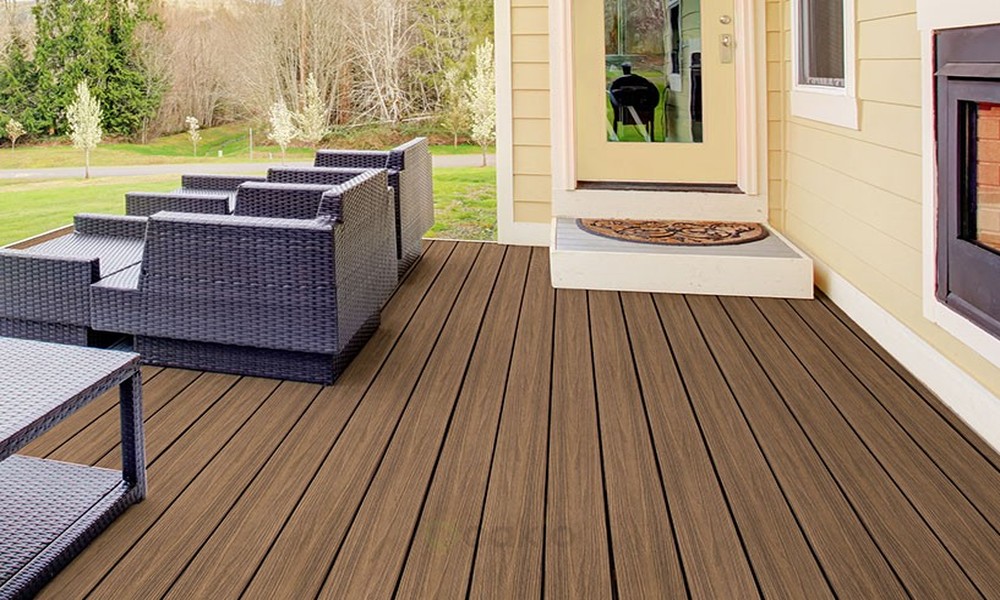
Choosing the right flooring is one of the most important decisions for any home or commercial space. The floor not only sets the tone of the interior but also impacts durability, comfort, and maintenance. Among the most popular options today are WPC (Wood Plastic Composite) flooring, laminate flooring, and vinyl flooring. Each has unique features, advantages, and considerations, making it essential to understand which one suits your needs best.
In this guide, we break down the differences, benefits, and ideal uses of these three WPC flooring types to help you make an informed decision.
Understanding the Basics
Before comparing, it’s important to know what each flooring type is:
WPC Flooring: Made from a combination of wood fibers and plastic polymers, WPC flooring is waterproof, durable, and comfortable underfoot. Its core is denser than vinyl but softer than laminate, providing a natural feel.
Laminate Flooring: Constructed from fiberboard topped with a photographic layer and a protective coating, laminate mimics wood or stone. It is durable and scratch-resistant but can be susceptible to water damage if not properly sealed.
Vinyl Flooring: Vinyl is a synthetic material available in sheets, tiles, or planks. Modern luxury vinyl tiles (LVT) mimic natural wood and stone textures and are highly water-resistant and low-maintenance.
Durability and Lifespan
WPC Flooring: WPC is designed for longevity. Its core structure makes it resistant to dents, scratches, and moisture. It is ideal for areas with high foot traffic or moderate exposure to water, such as kitchens and living rooms. Typical lifespan ranges from 15 to 25 years with proper care.
Laminate Flooring: Laminate is strong and scratch-resistant due to its tough top layer. However, water exposure can cause swelling or warping, making it less ideal for bathrooms or kitchens unless you choose water-resistant variants. Lifespan is usually 10 to 20 years depending on quality.
Vinyl Flooring: Vinyl is highly durable and waterproof, making it perfect for wet areas like bathrooms, basements, and kitchens. Standard vinyl can last 10 to 20 years, while high-quality LVT may last longer. Its resistance to moisture is a major advantage over laminate.
Water Resistance and Climate Suitability
WPC Flooring: WPC is fully waterproof, which gives it an edge over laminate. It handles humidity, spills, and occasional water exposure without warping, making it suitable for Dubai, tropical, and coastal climates.
Laminate Flooring: Traditional laminate is vulnerable to moisture. Water-resistant laminates are available but tend to be more expensive. For high-humidity areas, laminate requires careful installation and sealing.
Vinyl Flooring: Vinyl is inherently waterproof and unaffected by humidity. This makes it highly suitable for bathrooms, kitchens, and laundry rooms.
Comfort and Aesthetic Appeal
WPC Flooring: WPC provides a softer, more comfortable underfoot experience compared to laminate. Its natural wood look is highly realistic, and it often comes with a textured surface for a premium appearance.
Laminate Flooring: Laminate mimics real wood or stone effectively but is harder and less forgiving underfoot. It can be paired with underlayment to improve comfort and sound insulation.
Vinyl Flooring: Vinyl is soft underfoot and quiet to walk on. Modern LVT offers high-quality textures that convincingly mimic wood, stone, or tile, and it is easy to maintain in terms of color and finish.
Installation and Maintenance
WPC Flooring: WPC often uses click-lock systems, allowing for relatively easy DIY installation. Maintenance is simple: sweeping, vacuuming, and occasional damp mopping.
Laminate Flooring: Laminate also uses click-lock or tongue-and-groove systems. Cleaning involves dry or slightly damp mopping, but excess water should be avoided.
Vinyl Flooring: Vinyl is extremely low-maintenance. Sheet vinyl can be glued or loosely laid, while LVT planks often feature click-lock installation. Cleaning is as easy as sweeping and damp mopping.
Cost Considerations
WPC Flooring: Slightly higher in price than laminate and some vinyl options but offers waterproofing, comfort, and long-term durability. Ideal for homeowners seeking luxury with practicality.
Laminate Flooring: More affordable than WPC, laminate is a budget-friendly option for dry areas. It offers a premium look without a premium price tag.
Vinyl Flooring: The most cost-effective for wet areas. Luxury vinyl tiles may be slightly more expensive but are still budget-friendly compared to WPC or hardwood.
Which One Should You Choose?
Choose WPC if you want a waterproof, comfortable, and stylish floor that balances luxury and durability. Perfect for living rooms, kitchens, and high-traffic areas.
Choose Laminate if you want affordable elegance in dry areas, and your focus is on aesthetic appeal with moderate durability. Great for bedrooms, studies, or home offices.
Choose Vinyl if your priority is waterproof and low-maintenance flooring, especially for bathrooms, laundry rooms, and kitchens. It is also ideal for quick renovations and budget-conscious projects.
Final Thoughts
Selecting the right flooring depends on your lifestyle, budget, and space requirements. While WPC flooring Abu Dhabi offers the perfect balance of comfort, durability, and waterproofing, laminate and vinyl remain excellent options for specific needs. Understanding the key differences in durability, water resistance, comfort, and cost will help you choose a flooring solution that looks great, lasts long, and fits seamlessly into your home’s design.
Whether you’re renovating your Dubai apartment, upgrading your villa, or designing a commercial space, WPC, laminate, and vinyl all have their place-it’s just a matter of matching the right material to the right environment.
