
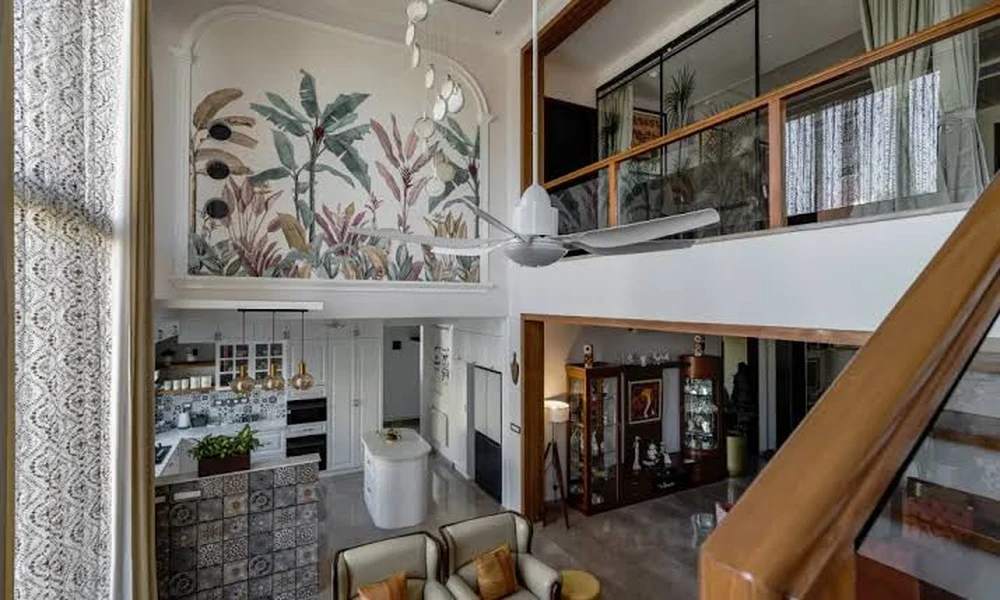
A home is never truly finished. It evolves alongside the people who live in it, adapting to changing lifestyles, new technologies, and higher expectations for comfort. The story of home remodeling is, in many ways, the story of how families have continuously reimagined the spaces they call home.
The Early Years
Several decades ago, residential renovations were driven primarily by necessity rather than design. Homeowners repaired aging structures, replaced worn roofing, updated plumbing, or improved insulation only when existing systems failed.
Kitchens were often separated from living spaces, bathrooms emphasized functionality over comfort, and storage solutions were limited compared with today’s standards.
Timeline
1950s
Traditional floor plans featured clearly separated rooms with minimal customization.
↓
1960s
Improved building materials and household appliances encouraged homeowners to modernize aging interiors.
↓
1970s
Open family spaces slowly became more desirable, and remodeling shifted beyond simple maintenance.
Historical Callout
Early renovations focused on extending the life of a home rather than transforming the way people lived inside it.
The Turning Point
During the 1980s and 1990s, remodeling became increasingly design-driven.
Families wanted homes that reflected changing lifestyles, accommodated growing households, and offered greater comfort. Instead of updating one room at a time, many homeowners began viewing renovations as comprehensive projects that improved both functionality and property value.
Working with an experienced home renovation contractor became increasingly important as projects expanded to include structural changes, electrical upgrades, plumbing improvements, and coordinated interior design.
Comparison
| Earlier Renovations | Modern Renovations |
| Repair-focused | Lifestyle-focused |
| Single-room projects | Whole-home planning |
| Standard materials | Personalized selections |
| Basic functionality | Comfort and efficiency |
Modern Developments
Today’s remodeling projects combine craftsmanship, technology, sustainability, and thoughtful planning.
Rather than focusing solely on appearance, homeowners now consider:
- Energy efficiency
- Flexible floor plans
- Smart home technology
- Improved indoor air quality
- Durable, low-maintenance materials
- Accessible design for long-term living
Comprehensive planning has become one of the defining characteristics of modern remodeling. Coordinating multiple improvements during a single project often reduces disruption while creating a more cohesive final result.
Timeline
2000s
Open-concept living and larger kitchens became defining features of residential design.
↓
2010s
Energy-efficient windows, LED lighting, and sustainable materials gained widespread popularity.
↓
Today
Homeowners increasingly prioritize multifunctional spaces, wellness, durability, and timeless architectural design.
Comparison Table
| Past Priorities | Current Priorities |
| Appearance | Function and comfort |
| Individual room updates | Whole-home integration |
| Conventional materials | Sustainable, durable products |
| Immediate needs | Long-term adaptability |
Future Trends
The next chapter of residential remodeling will likely focus on flexibility rather than size.
Many homeowners planning california remodels are already emphasizing spaces that adapt to changing family needs while improving energy performance and reducing long-term maintenance. Kitchens continue to serve as gathering spaces, home offices remain integrated into everyday living, and bathrooms increasingly incorporate accessibility features without compromising design.
Looking Ahead
Tomorrow’s Homes
↓
Smarter building systems
↓
Greater energy efficiency
↓
Health-focused materials
↓
Flexible living spaces
↓
Long-lasting craftsmanship
The history of home remodeling demonstrates that successful renovations are never defined solely by trends. Instead, they reflect the evolving needs of the people who live within them. By learning from the past while planning for the future, homeowners can create living spaces that remain comfortable, functional, and relevant for decades to come.
