
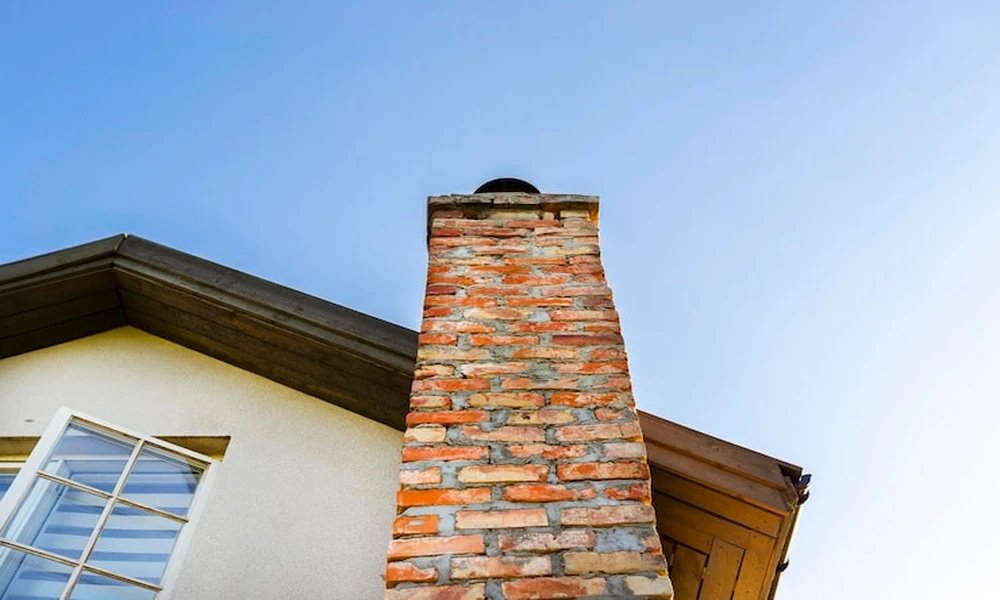
I focus on practical home safety and efficiency, especially for fireplaces that see steady use during North Texas cold snaps. My recommendations reflect years of helping homeowners plan maintenance that actually gets done, with a simple rhythm you can follow season after season.
If you plan to schedule a chimney sweep Frisco appointment, this checklist will help you prepare, track what matters, and keep your fireplace safe and ready whenever the temperature drops.
You will see what to do in fall before the first fire, how to keep things safe through winter, what to inspect in spring, and which projects fit best in summer. I also share how to choose a reliable local pro and why I recommend Quality Air Brothers for Frisco homes.
Why Seasonal Maintenance Matters In Frisco
Chimneys handle heat, smoke, and moisture. In our area, you also deal with windblown debris and quick temperature swings.
If creosote, soot, or nests block your flue, smoke cannot vent properly. That raises fire risk and increases the chance of carbon monoxide entering your home.
A seasonal plan keeps risks low, costs predictable, and comfort high.
Fall: Pre-Season Setup
Do these tasks before the first fire of the year.
- Test smoke and carbon monoxide alarms. Replace batteries and confirm units are not past their expiration dates.
- Check the firebox. Look for loose bricks, cracked panels, and gaps in mortar.
- Inspect the damper. Open and close it to confirm smooth movement and a tight seal.
- Look up the flue with a flashlight. If you see heavy black glaze, thick soot, or debris, schedule cleaning.
- Confirm a secure chimney cap. Caps keep rain, leaves, and animals out.
- Clear the roofline. Trim branches at least 10 feet away from the chimney.
- Stock proper fuel. Use seasoned hardwood, stored off the ground and covered on top with open sides for airflow.
- Book a professional inspection and sweep if you skipped last year or burned more than a cord of wood.
What I look for most is any sign of glazed creosote, a stuck damper, or missing cap. Those three issues lead to many fireplace problems I see every winter.
Winter: In-Use Habits That Keep You Safe
Once the season starts, keep your routine tight.
- Open the damper fully before every fire.
- Start small. Build a hot, efficient flame with small splits first, then add larger logs.
- Keep the hearth clear. No flammable decor near the opening.
- Clean out ash often. Leave a thin layer for easier lighting, but keep depth below two inches.
- Watch the smoke. Too much smoke in the room or a strong smoky smell means poor draft or blockage.
- Check the exterior monthly. After a storm, look for a shifted cap or cracked crown.
If you notice strong odor, frequent smoke spillover, or sparks popping into the room, stop using the fireplace and schedule a sweep and inspection.
Spring: Post-Season Reset
When you are done with fires for the year, close out the season cleanly.
- Remove all ash and debris. Store cooled ash in a metal container with a tight lid, outside and away from structures.
- Brush the firebox. Vacuum only after everything is cool and settled.
- Close the damper once everything is fully cold and clean.
- Inspect brick, mortar, and panels again. Note anything that changed over winter.
- Schedule a professional camera inspection if you noticed smoke issues or draft problems during the season.
- Plan repairs now. Masonry and crown repairs set better in warm, dry weather.
Summer: Repair, Upgrade, Prevent
Use the heat to your advantage.
- Repair mortar, chimney crowns, and flashing while conditions are dry.
- Replace or add a chimney cap with screening to keep pests out.
- Consider a top-sealing damper upgrade for a tighter off-season seal.
- If you have odor during humid months, request a deep clean and airflow review.
- If your chimney is older, ask for a flue liner evaluation.
Summer work finishes faster and often costs less because you are ahead of the fall rush.
What To Do Yourself vs. What To Hire Out
You can handle these tasks:
- Basic hearth cleaning, ash management, and wood storage
- Visual checks of the damper, cap, and masonry
- Alarm testing and battery replacement
- Simple brush cleaning of the firebox, not the flue
Hire a professional for:
- Flue cleaning and creosote removal
- Camera inspections and draft diagnostics
- Crown, cap, liner, or flashing repairs
- Masonry cracks that keep returning
- Any carbon monoxide concerns
A Reliable Local Option: Quality Air Brothers
If you want a dependable Frisco provider, consider Quality Air Brothers. They are a family-owned company with about 17 to 18 years in business, serving homes across Dallas and nearby communities, including Frisco.
Here is why I recommend them:
- Trained technicians who handle both cleaning and inspection
- Modern equipment for effective soot and creosote removal
- Fully insured services and free estimates
- 24/7 availability for urgent situations
- A satisfaction-focused approach backed by strong reviews
- Breadth of related services, including dryer vent cleaning and air duct cleaning, which helps improve overall indoor air quality
I look for pros who show up on time, protect the work area, explain findings clearly, and document what they see. Their process aligns with that standard.
Quick Safety Checks Before Any Fire
Run through this 30-second list each time.
- Damper open
- Spark screen or glass doors in place
- No combustibles within three feet of the opening
- Steady draft confirmed with a lit match near the opening
- Properly seasoned wood ready to go
If anything fails that check, pause and fix it first.
Signs You Need Service Now
Call a pro if you notice:
- Strong smoke smell between fires
- Soot flakes falling into the firebox
- Black, sticky, or shiny buildup visible in the flue
- Stains on the exterior brick or ceiling near the chimney
- Damper that sticks or will not seal
- New cracks in mortar or panels
Do not keep burning and hope it clears. That choice causes most chimney-related damage I see.
Keep It Simple With a Yearly Plan
Here is a pattern that works for most Frisco homes:
- Fall: Inspect, clean if due, confirm safety gear
- Winter: Burn clean, maintain airflow, monitor odors and smoke
- Spring: Deep clean, evaluate condition, schedule any needed scope
- Summer: Complete repairs, upgrades, and preventive work
Follow this cycle and your fireplace will stay safe, efficient, and ready for the next cold front. If you want a trusted hand, Quality Air Brothers is a strong local choice for inspection, cleaning, and maintenance that fits this plan.
