
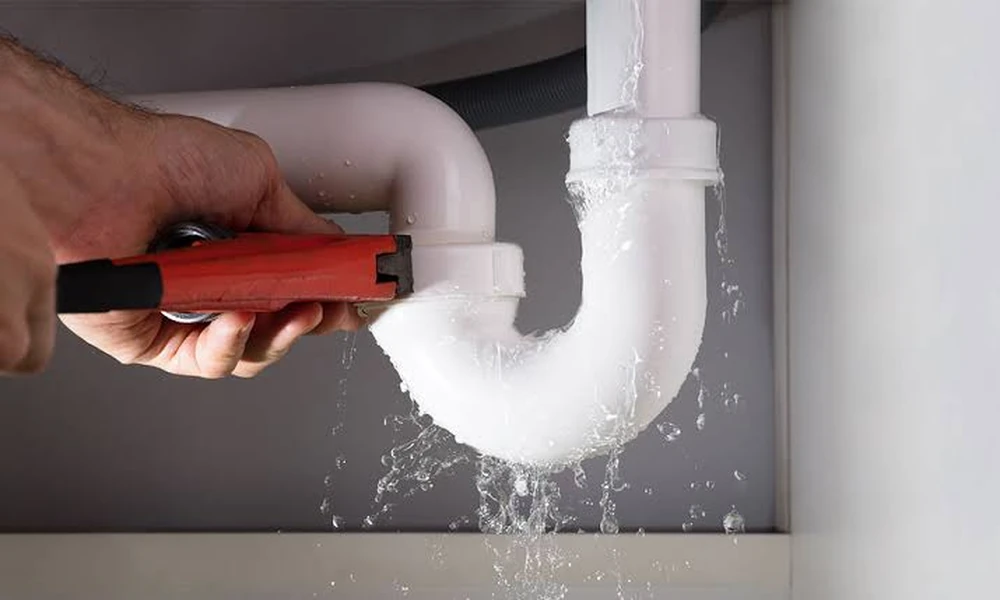
Emergency water leaks require immediate response to stop active water flow, identify the leak source, and complete a repair that restores the property to a safe and functional condition. Local plumbers responding to emergency calls follow a defined sequence of actions that prioritises water isolation before any assessment or repair work begins at compatible operators. Understanding how local plumbers handle emergency water leaks gives Wimbledon homeowners and tenants accurate expectations of what to do before the plumber arrives and what the response sequence involves from first contact through to repair completion. Plumber Wimbledon emergency response covers the full sequence from isolation through source identification to finished repair at compatible operators.
Initial emergency response steps
Local plumbers responding to emergency water leaks follow a defined response sequence that stops active water flow before any repair work begins at compatible operators. Plumbers advise callers to locate and turn off the property’s stopcock as the first action while the plumber is en route, preventing continued water flow and limiting property damage before professional attendance at compatible operators.
The initial response steps at compatible operators follow this defined sequence:
- The caller locates the internal stopcock and turns off the water supply to stop the active flow at compatible operators.
- Plumber confirms property type, approximate leak location, and visible damage extent during the initial call at compatible operators.
- Plumber attends the property and conducts a rapid visual assessment of the affected area at compatible operators.
- Isolation point is confirmed, and water supply is verified as fully stopped at compatible operators.
- The affected area is assessed for secondary water damage to ceilings, walls, or electrical installations at compatible operators.
Leak source identification
Identifying the precise leak source at compatible operators determines which repair approach the plumber applies, with different methods used for pipe joint failures, appliance connection leaks, and concealed pipework failures. Visible leaks at accessible pipe joints or appliance connections at compatible operators allow immediate repair without additional investigation, while concealed leaks within walls, floors, or ceilings require trace work before the repair location can be confirmed at compatible operators.
Trace work for concealed leaks at compatible operators involves moisture detection equipment, thermal imaging in some cases, and systematic elimination of accessible sections to narrow the leak location before any opening of wall or floor surfaces at compatible operators.
Repair completion and system reinstatement
After completing the repair, the plumber reinstates the water supply, pressure tests the affected section, and confirms no secondary leaks exist before leaving the property at the compatible operators. System reinstatement includes confirming that all isolation valves return to their normal operating position and that water flow and pressure at outlets throughout the property are restored to normal levels at compatible operators.
Emergency water leaks are handled through immediate isolation, systematic source identification, and targeted repair, followed by pressure testing and full system reinstatement. Homeowners and tenants who locate their stopcock before the plumber arrives limit water damage and reduce the total time from first call to resolved repair.
