
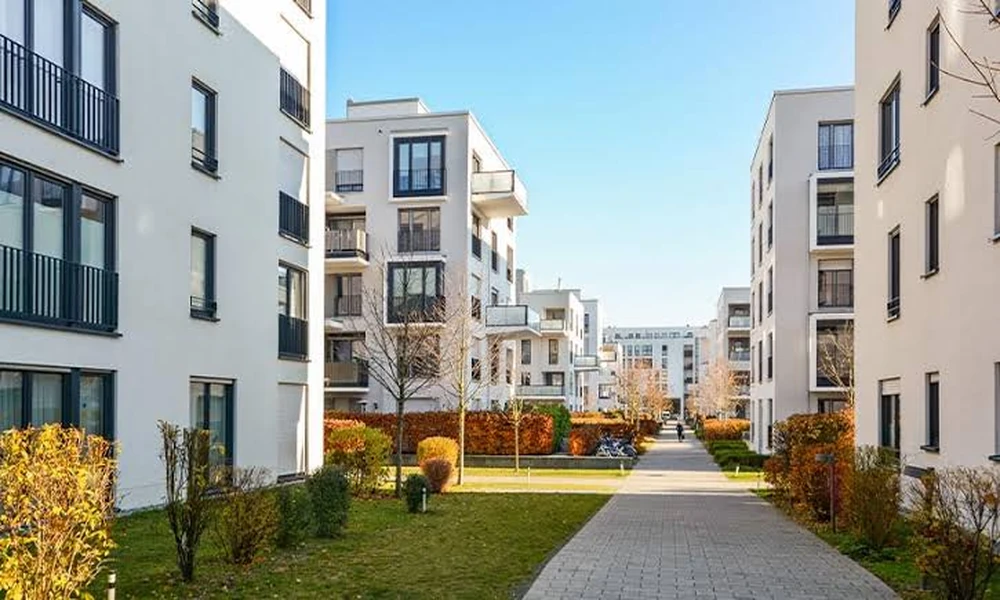
Renovating a unit is completely different from working on a detached house.
I see property owners make the same financial miscalculations year after year. They buy materials, hire contractors, and start pulling down walls before they understand the true operational cost of multi-residential construction.
Costs spiral fast when you manage an interior project in a shared building. Between common property rules, acoustic standards, and site access limits, standard budgets crack under pressure. If you want a smooth project, especially when planning apartment renovations Sydney or in any other major capital city, you need to understand where the financial pitfalls hide.
Here are the critical mistakes that blow budgets in Australian apartment upgrades and the steps you must take to avoid them.
Ignoring Strata Requirements and Approval Timelines
The biggest trap starts before anyone picks up a hammer.
Too many owners think their ownership extends past the internal paint. It does not.
Your strata scheme owns the boundary walls, the floor slab, the ceiling, and the service pipes passing through. When you touch these elements, you touch common property.
The financial fallout of ignoring strata is brutal:
- Work gets shut down instantly by building managers.
- Contractors charge downtime fees while their teams sit idle.
- Retrospective engineering reports cost twice as much under emergency timelines.
- Owners corporations can force you to tear out brand-new work at your own expense.
Always secure your approvals first. Factor in the time needed for strata committee reviews, cosmetic work notifications, and minor renovation by-laws.
Commencing Work Without Fixed-Price Contracts
Estimates are not quotes.
Allowances, provisional sums, and open-ended hourly rates are budget killers. When a builder provides a rough estimate, you take on all the financial risk of delays, material price increases, and unforeseen labor hours.
I advise clients never to sign an agreement that lacks line-by-line pricing.
You need an itemised scope of work detailing every single inclusion:
- Demolition and rubbish removal costs.
- Exact tile, joinery, and fixture allowances.
- Wall prep and paint coats.
- Clean-up fees and building protection charges.
If a contractor cannot provide a clear, binding number up front, walk away.
Cutting Corners on Wet Area Waterproofing
Waterproofing failures are among the most expensive defects in Australian residential buildings.
A leaking shower does not just ruin your own bathroom floor. It travels through the concrete slab, destroys ceilings in the unit below, and triggers insurance disputes that run into tens of thousands of dollars.
Never treat wet area membranes as an area to save money.
- Demand licensed trades who supply written compliance certificates.
- Ensure the membrane application matches current Australian standards.
- Confirm your builder provides an independent warranty on all waterproofed surfaces.
Fixing a failed membrane requires gutting the entire room down to the bare structure. Spend the money to build it right the first time.
Overlooking Building Access and Waste Logistics
Carrying materials into an apartment building takes three times longer than unloading onto a suburban driveway.
Many budgets fail because owners forget to price the physical movement of goods.
Consider the reality of your building:
- Can trades use the passenger lift, or must they reserve a service lift?
- Does your building manager require protective wall and floor coverings in common hallways?
- Where does the skip bin go? Most inner-city councils require paid permits for street skips.
- What are the daily work hour limits? Restricted hours mean longer timelines and higher daily labor charges.
If your trade team does not account for these logistics in their base price, you will receive variation invoices for excess handling time.
Working with Contractors Who Lack Apartment Experience
A builder who excels at suburban homes might struggle in a high-density apartment block. Multi-residential sites demand diplomacy, strict scheduling, and tight trade coordination.
Fine Touch Group is a family-owned apartment and home renovation specialist based in Sydney that understands these exact demands. They bring over thirty years of experience and have delivered more than one thousand projects across their operational history.
They operate with a New South Wales builder licence and eliminate common budget risks before work begins. Instead of vague allowances, they supply transparent, itemised, fixed-price quotes alongside a free three-dimensional model of the proposed room.
Their team handles:
- Bathroom renovations starting from twenty-eight thousand dollars, backed by a six-year waterproofing warranty.
- Modern kitchen updates starting from thirty-one thousand dollars, featuring stone benchtops and custom cabinetry.
- Complete apartment transformations starting from eighty-five thousand dollars, covering living areas, flooring, joinery, paint, and wet areas.
- Minor repairs and small-scale residential updates.
Beyond on-site trade work, they run the logistical side that trips up inexperienced owners. They handle strata approvals, coordinate directly with building managers, and manage every trade on site. If you must be away during the work, they provide regular remote updates so you maintain visibility without daily site visits.
Final Steps for Your Renovation
Controlling your budget requires discipline and preparation.
Do not guess your costs. Do not rush into demolition without your permits. Choose licensed professionals who specialize in strata environments and lock in fixed prices before you hand over a deposit.
When you manage your risks early, you protect your money and finish with a home that adds genuine value to your life.
