
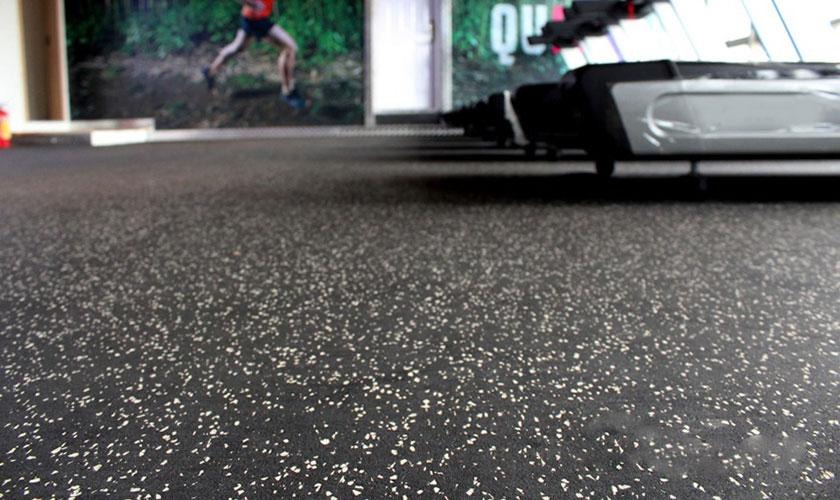
Rubber flooring has become a top choice for homes, gyms, offices, and commercial spaces thanks to its durability, comfort, and versatility. Its resistance to wear, impact absorption, and ease of installation make it an attractive flooring solution. However, like any flooring, proper care and maintenance are essential to ensure that Rubber Flooring retains its aesthetic appeal and longevity. In this guide, we will explore practical maintenance tips and strategies to keep your rubber flooring looking fresh and new for years.
Understanding Rubber Flooring
Before diving into maintenance, it’s important to understand the characteristics of rubber flooring. Typically made from natural rubber, synthetic rubber, or recycled materials, rubber floors are designed to withstand heavy foot traffic, resist moisture, and absorb shock. These qualities make them ideal for spaces such as gyms, commercial kitchens, play areas, and even modern homes. Rubber flooring comes in tiles, rolls, or interlocking mats, and its surface may feature smooth, textured, or patterned finishes.
The material is naturally resilient, but improper cleaning or neglect can lead to scratches, dullness, or staining. By adopting a consistent maintenance routine, you can preserve its visual appeal and functionality.
Daily Maintenance Tips
Routine care is the first step in keeping your rubber flooring in top condition. Here are some practical tips for daily maintenance:
Sweep or Vacuum Regularly:
Dust, dirt, and debris can act like sandpaper on your rubber flooring, gradually wearing down the surface. Use a soft-bristle broom or a vacuum cleaner with a hard floor attachment to remove loose particles. Daily sweeping in high-traffic areas, especially near entrances, will prevent scratches and scuffs.
Wipe Spills Immediately:
Rubber flooring is water-resistant, but spills should still be cleaned promptly to avoid staining or unpleasant odors. Use a damp cloth or mop to wipe away liquids, and avoid harsh chemicals that can damage the surface.
Use Entrance Mats:
Placing mats at entrances helps trap dirt, mud, and moisture before they reach your rubber flooring. This simple step reduces wear and tear and minimizes cleaning efforts.
Weekly Maintenance Routine
Once a week, a deeper cleaning can help maintain the shine and hygiene of rubber flooring. Follow these steps:
Mop with a Neutral Cleaner:
Mix warm water with a pH-neutral cleaner specifically designed for rubber floors. Avoid acidic or alkaline cleaners, as they can degrade the rubber over time. Mop the surface evenly, ensuring you don’t oversaturate it with water.
Rinse Thoroughly:
After mopping, rinse the floor with clean water to remove any residue. Leftover soap can leave a slippery film and attract more dirt.
Dry Completely:
Rubber flooring can become slippery when wet, so use a microfiber mop or towel to dry the surface. Proper drying also prevents mold or mildew in areas prone to moisture.
Monthly or Periodic Care
For long-term preservation, consider the following monthly or periodic maintenance practices:
Inspect for Damage:
Check your flooring for scratches, tears, or lifting tiles. Early detection of minor issues can prevent costly repairs later.
Apply a Rubber Floor Conditioner (Optional):
Some rubber floors benefit from a conditioner or polish designed to restore shine and protect the surface. Always follow the manufacturer’s guidelines and avoid wax-based products that may make the floor slippery.
Deep Clean High-Traffic Areas:
Gym zones, kitchens, and entranceways may accumulate embedded dirt over time. Use a soft scrub brush with a neutral cleaner to remove stubborn grime without damaging the floor.
Tips to Extend the Life of Rubber Flooring
Beyond regular cleaning, certain habits can significantly prolong the lifespan of rubber flooring:
Avoid Sharp Objects: Heavy furniture or pointed objects can puncture or scratch the surface. Use furniture pads or protective mats under chairs, tables, or gym equipment.
Limit Direct Sunlight: Prolonged exposure to sunlight can fade rubber flooring. Consider using blinds, curtains, or UV-protective window films in sunny areas.
Prevent Chemical Damage: Avoid harsh chemicals, solvents, or bleach, which can cause discoloration or weaken the rubber.
Benefits of Proper Maintenance
Maintaining your rubber flooring not only preserves its visual appeal but also enhances its functional benefits:
Safety: Well-maintained rubber floors retain their non-slip properties, reducing the risk of accidents.
Hygiene: Regular cleaning prevents mold, bacteria, and allergens from accumulating, ensuring a healthier environment.
Cost-Efficiency: Prolonging the life of your flooring reduces the need for frequent replacements, saving money in the long run.
Conclusion
Rubber flooring is a durable, versatile, and stylish choice for both residential and commercial spaces. Its longevity and performance, however, depend on proper maintenance. By adopting a consistent cleaning routine, addressing spills promptly, and taking preventive measures, you can keep your Rubber Flooring Dubai looking new and vibrant for years. Whether you are outfitting a home gym, office, or commercial facility, following this ultimate maintenance guide ensures your investment continues to deliver comfort, safety, and aesthetic appeal.
Embrace these practices, and your rubber flooring will remain a reliable, attractive feature in any space—proving that with the right care, longevity and beauty can go hand in hand.
