
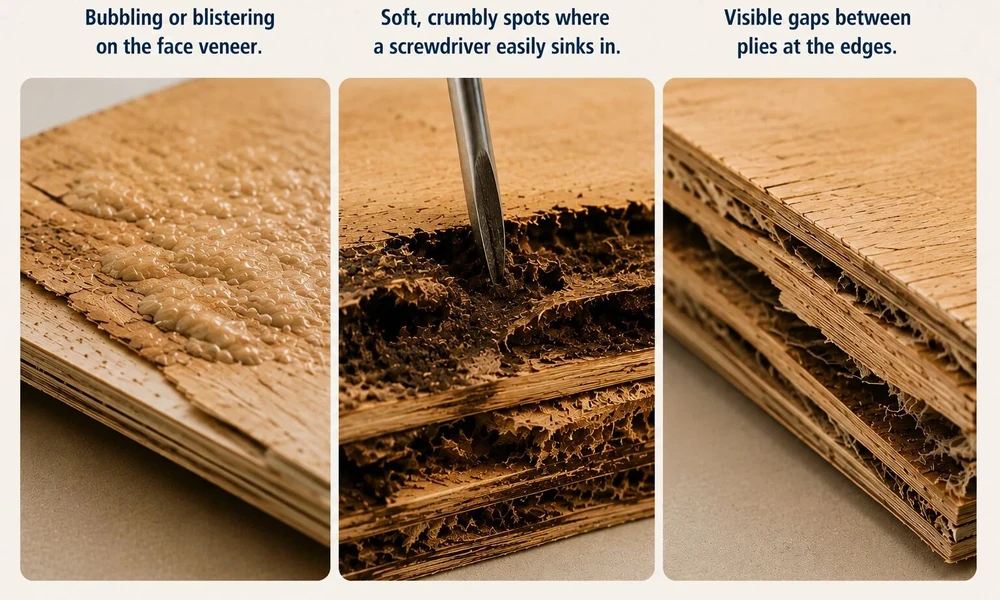
Veneer is a material that can bring warmth and character into wooden structures such as furniture, wardrobes, wall panels, and so on . Wrong preparation or installation may lead to the creation of blistering, bubbling, and other irregularities that will worsen the appearance and durability of veneer. Most of the time, these complications occur due to the presence of moisture, trapped air, unsuitable adhesive, or lack of pressure. However, if one knows about the reasons for the appearance of the problems beforehand, as well as how to install veneer properly, issues with uneven veneer will be avoided.
Proper Surface Preparation Before Application
Before applying the veneer, it is important to have a clean, dry, level surface. Loose particles, moisture, grease, and dust will make it impossible for the glue to bond with the surface evenly. Before the veneer installation is performed, it is necessary to get rid of all kinds of imperfections.
It is also important to check the moisture of the surface. In case it is a wood-based piece of furniture, the amount of moisture should be checked. If the veneer is applied before the adhesive has reached the proper state, it could increase the chance of weakening the bond and trapping air.
Applying Constant Pressure
Pressure inconsistency is another common cause of air bubbles and blisters. After placing the veneer, constant pressure should be applied to ensure that the veneer adheres well to the substrate surface.
When applying pressure in a sequential manner, air can be eliminated from underneath the veneer. Required pressure depends on the type of adhesive, material, and method of application.
Controlling Temperature and Humidity
The environment plays an important role in veneer application problems, as high humidity, abrupt changes in temperature, or moist surfaces can affect adhesive performance while causing dimensional movement of wood veneer.
It is recommended that veneer and surfaces be stabilised in a suitable environment before carrying out all installations. Having the right conditions minimises the chances of expansion, contraction, and binding problems.
Properly Dealing with Blisters and Bubbles
During the process of veneer bubbling, the site where bubbling has occurred must be inspected and read the guide on veneer maintenance mistakes and how to fix them for a detailed breakdown of repair techniques and prevention practices. It might be enough to reactivate the adhesive or change it and apply pressure if the area is rather small.
However, if there are many blisters forming on the surface, it can be an indication of bad adhesion that requires either removal of the veneer or application of a new layer of veneer. Veneer bubbling repair has to start with determining its true nature.
Conclusion
Using quality veneer and following manufacturer’s recommendations helps avoid blistering issues and explore the premium veneer collection to find sheets with consistent grain, thickness, and finish suited for furniture and wall panel applications.
