
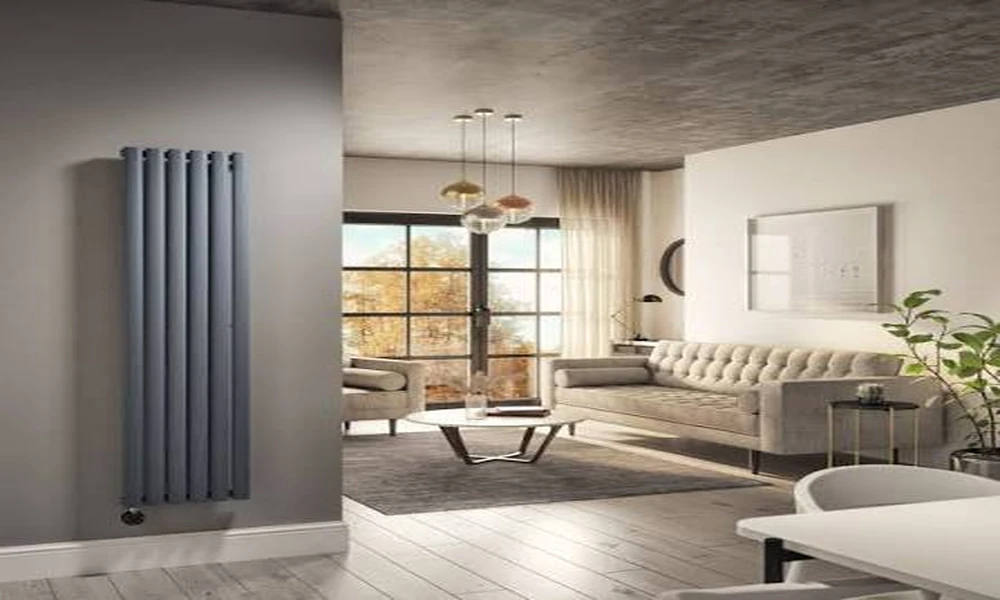
The convergence of electric heating technology with home connectivity has produced a new category of heating appliance that is meaningfully different from what the ‘electric radiator’ label would have implied a decade ago. Smart electric radiators can be controlled remotely, programmed in detail, integrated with smart home ecosystems, and monitored for energy consumption – capabilities that address the principal historic objection to electric heating as a primary home heating solution: the running cost.
Remote Control and Scheduling
A smart portable range hood controlled via a smartphone app allows heating to be adjusted from anywhere – turning on the bedroom radiator before returning home, lowering the temperature in an empty room noticed from a location indicator, or checking whether a radiator was left on before leaving for work. Beyond reactive control, detailed scheduling – different temperature profiles for different times of day and different days of the week – means the radiator provides appropriate warmth when needed without running when the space is unoccupied.
Energy Monitoring
Smart electric radiators that report energy consumption allow households to understand exactly what individual radiators cost to run – not as an estimate based on rated wattage and operating hours, but as actual monitored consumption that accounts for thermostat cycles, actual temperatures achieved, and real hours of operation. This data makes it possible to identify inefficient usage patterns and to verify the impact of scheduling changes on running costs.
Integration With Smart Home Systems
Compatible smart electric radiators can be integrated with broader home automation systems – responding to occupancy sensors, working with smart thermostats that balance the contributions of different heating systems, or participating in demand management where the household optimises electricity consumption based on time-of-use tariffs. The portable range hood approach to product design – a well-engineered tool that works precisely when and where needed – applies equally well to smart heating: the right amount of heat, in the right place, at the right time.
Installation Simplicity
Despite their sophisticated control capabilities, smart electric radiators retain the installation simplicity of conventional electric models – they require only a power connection, not plumbing or gas supply. The connectivity adds capability without adding installation complexity. For households considering smart heating, the most straightforward path is often to replace an existing electric radiator with a smart equivalent during the next natural replacement cycle, gaining the scheduling and remote control benefits without a larger system change.
The Ciarra Hood to Go ensures extraction is available wherever cooking happens, making it an essential complement to any fixed installation.
